
Your business has changed. You’re doing better work, taking on different clients, and getting clearer about what you do best. But your website still introduces the company you were three years ago. So you explain the difference on every sales call—or send a link with a quick “we’re updating that.”
That gap is easy to put off fixing, especially when you’re busy doing the work. But when your brand no longer reflects your business, it’s worth a closer look. Here are eight signs it’s time to catch up.
1. You apologize for your website
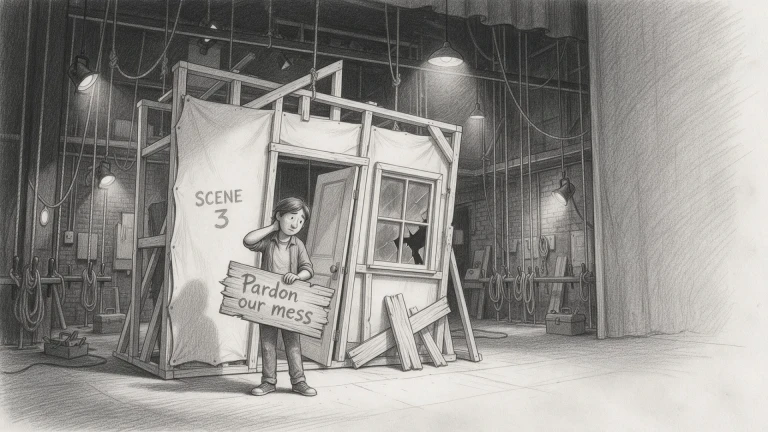
“Ignore the site, we’re about to redo it” is a sentence a lot of owners have been saying for two years. Your website is where most people meet you before they ever talk to you, so if you’re embarrassed by it, assume your customers noticed first.
2. The business you describe in person isn’t the one on the site
You’ve taken on bigger clients, added a service, or quietly stopped doing the thing the homepage still leads with. Prospects only have the site to go on, so they’re evaluating a company that no longer exists. Meanwhile you spend the first ten minutes of every call correcting the record.
3. Everyone on your team describes the business differently
Try it at your next meeting. Ask five people what you do and for whom. If you get five answers, your customers are getting a sixth one from the website, and it’s probably the vaguest of the bunch.
4. The leads you get aren’t the leads you want
Plenty of inquiries come in, but they want it cheaper, or smaller, or something you don’t actually sell. It’s tempting to blame your marketing. Look at your messaging first, because a brand that doesn’t say who it’s for will attract everybody who doesn’t care.
5. You keep losing jobs to inferior competition
You’ve seen their work and you’ve seen yours, and you lost anyway. When two companies are close in quality, the buyer goes with whichever one looks surer of itself. That’s unfair, and it’s also how it works.
6. Nothing quite matches
The logo on the proposal is a different version from the logo on the site, the social profiles use their own colors, and someone’s email signature has a font nobody chose. Each one is minor. Together they say the company is less put-together than it really is.
7. Updating your own website feels like a hostage negotiation
If changing a headline means finding the one person who built it, waiting a week, and paying for the privilege, you’ll eventually stop updating it. A site that’s too painful to touch goes stale, and a stale site tells visitors you stopped paying attention.
8. You’re about to change something big
A new market, a price increase, a merger, a new leader, a service that changes who your customers are. These are the moments when the old brand starts working against you. It’s better to take it on at the start than to discover it six months in.
So where do you start?
If you counted three or more, the next move probably isn’t a new logo. Before anything gets designed, you need to be clear on who you’re serving, what you want to be known for, and how you want to sound when you say it. The visual work goes faster and lands better once that’s settled, and it’s the step most expensive rebrands skip.
That’s why we start every project with a Brand Direction Session. It’s a working conversation that ends with a written script for your brand: who it’s for, what it says, and how it shows up. From there, the website and everything else has something to follow. If you’d like to talk through where your business stands, we’re ready to listen.